

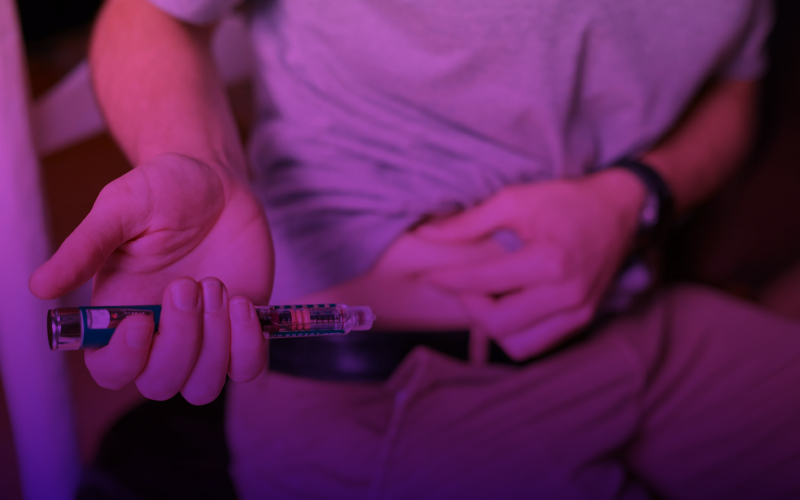
GLP-1 medications like Ozempic, Wegovy, and Mounjaro work by making you feel less hungry. For lots of people, the results are quick and effective, but these meds are just a part of the change people need to make when they're working on getting healthier.
When people stop taking GLP-1s, about 80% gain back some or all of the weight they lost. It's what happens when your eating habits change, but your lifestyle doesn't. You can think about this as a window of time, and what you do with that window determines what kind of success sticks around.
Why "Getting in Shape" Advice Falls Flat
Most wellness advice assumes that you have a stable baseline. You go to the gym, stick to your schedule, and follow through with those big plans.
When you're taking a GLP-1, though, the meds mess up that baseline. Your energy feels really unpredictable, and the food you ate for years sometimes sits like a rock in your stomach. It's a super off feeling, and sometimes disheartening. This is because the feeling of hunger you used to rely on to tell you when to eat, and how much, has gone quiet. Someone like Sam, who loved pizza for lunch, now finds it suddenly unappealing after starting her medication. Being able to find the foods that make you feel good, and also give you the nutrition you need, means building habits that might start smaller than you'd think.
Start Tiny
BJ Fogg, who directs the Behavior Design Lab at Stanford, found that habits form best when the behavior is easy enough to do even on your worst day.
He talks about being so small, they are tiny. Almost laughably so.
Instead of saying you're going to take 30 minutes of exercise, you tell yourself you'll just put on your gym shoes. Instead of throwing out all the recipes you've cooked for years, you just add a little more protein to one meal. Instead of eight glasses of water, drink one glass when you wake up.
When the kind of behavior you want to be a part of your life requires almost zero effort, you can do it over and over, and that repetition and consistency is what switches your practice into habits.
Build Flex Into Your Approach
If you read a bunch of different people's experiences on a GLP-1 you'll notice there are patterns, but not a lot of predictability. Everyone gets a different grab bag of effects.
To help work around your own feelings and side effects, try to design your new habits with a floor and a ceiling. The floor is the smallest version that you can do on your worst day; the ceiling is what you do when you've got good energy and momentum. So think of a floor-to-ceiling spectrum that looks like this: 2-minute walk to a 20-minute stroll; 5 squats to 30 squats. You tell yourself you always have permission to stop at the floor, and you don't feel bad about it.
Attach New Habits to Existing Routines
What I want you to do now, is pick one thing to start with. Make it a specific behavior you want to make a part of your life, make it tiny, and attach it to something you already do.
"After I brush my teeth, I'll drink a glass of water." Leave the glass by the sink, check that box first thing.
"When I sit down for dinner, I will take three bites of whatever the protein is before anything else." This makes sure you're getting what your muscles need before you find yourself too full.
This kind of links your new behavior to something you already do, using that routine as a trigger. This way you don't have to think about doing the thing; what you were already going to do triggered it.
Now you practice doing this one little thing until it feels automatic, and then add another, which is how you got that first habit to start with!
Cheer the Little Wins
Another thing Fogg's research found was pretty counterintuitive: the FEELING you feel immediately after a you do something is what wires it into being a habit. So when you FEEL good about something you did, even a tiny thing, it signals to your brain that this is worth repeating. So imagine yourself taking a sip of water, you smile and whisper 'yes!' to yourself, and get a little moment of happiness, even if it feels a little silly at first. A little fist pump, or literally pat yourself on the back, that calls out 'I did that.' The sillier the better.
Compounding
So now you're drinking some water, and you're taking a two-minute walk. That's not going to do much to change your health, but a glass of water every morning for a year adds up to 365 glasses. Two minutes of walking daily adds up to 12 hours over a year. And the thing about adding these habits is that each one makes the next easier to build because you can start to hang them all off each other.
What's really a big deal, though, is that each small behavior helps you shift your identity. You start to see evidence that you're someone who takes care of your health.
When You Stop the Meds
Some people stay on GLP-1s for a long time, and others cut it off when they hit their goals. Whichever you do, the lifestyle changes you make are what help you keep your wins.
So with Steadli, you can start small, build one habit at a time, celebrate each tiny win, and let consistency compound.
The meds are a great foundation for you to start building who you want to be, let's get you the materials to build with.
Steadli is a behavior change companion for people on GLP-1 medications. Start building habits that last.
Download for iOS Download for Android